Buying your first home is one of the biggest financial decisions you'll ever make. It’s exciting, a little intimidating, and for many people it represents a huge milestone in life.
But if you’re like most first-time buyers, the process can feel overwhelming.
How much should you save?
What happens after you make an offer?
What fees should you expect?
How do you know if you're making the right decision?
The good news is that buying a home isn't nearly as complicated as it may seem once you understand the process. This guide breaks down the entire home-buying journey step-by-step, so you know exactly what to expect.
Step 1: Understand Your Financial Starting Point
Before you start browsing listings online, the first step is understanding your financial position.
Most lenders look at three key factors when determining how much you can borrow:
Income
Stable income is one of the most important factors lenders consider. Salaried employees often find this process straightforward, while self-employed buyers may need to provide additional documentation.
Credit Score
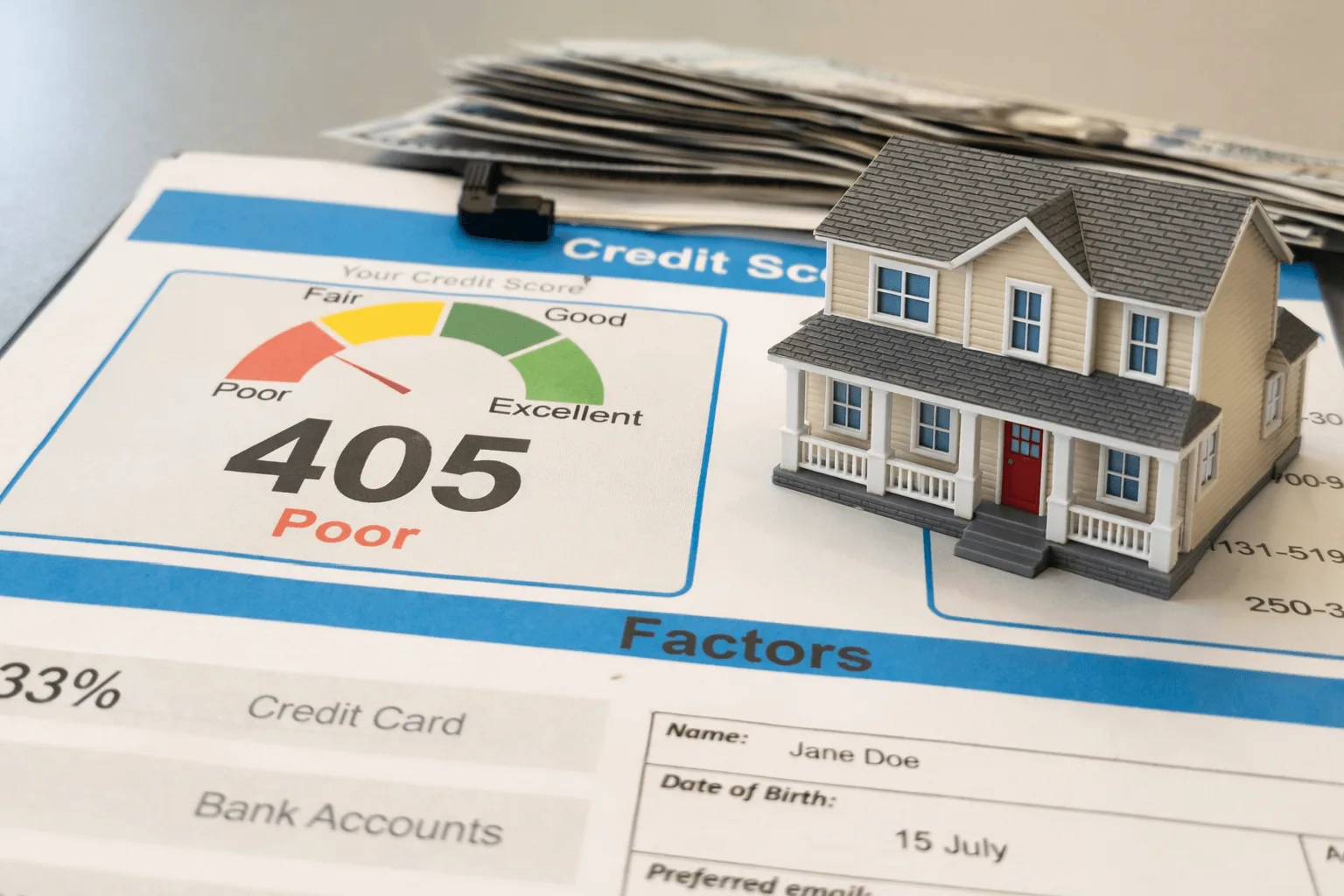
Your credit score affects the type of mortgage you qualify for and the interest rate you receive.
In many lending markets:
- A score above 720 typically qualifies for the best rates.
- Scores between 650–720 can still secure strong financing options.
- Scores below 600 may require specialized lenders or larger down payments.
Improving your credit score before buying can significantly reduce your long-term borrowing costs.
Debt-to-Income Ratio
Lenders also analyze how much of your monthly income goes toward debt payments.
Most lenders prefer that total monthly debt payments remain below 40–44% of gross income.
Step 2: Save for a Down Payment
One of the biggest hurdles for first-time buyers is saving for a down payment.
The amount required varies depending on property price and lending rules, but common examples include:
| Home Price | Typical Minimum Down Payment |
|---|---|
| $500,000 | $25,000 |
| $700,000 | $45,000 |
| $900,000 | $65,000 |
Many first-time buyers aim for 10%–20% down payments, though programs exist allowing smaller deposits.
A larger down payment can help:
- Reduce monthly payments
- Lower mortgage insurance costs
- Improve approval chances
Step 3: Get Pre-Approved for a Mortgage
Before making any offers, buyers should obtain a mortgage pre-approval.
Pre-approval confirms:
- How much you can borrow
- Estimated interest rate
- Monthly payment expectations
In competitive markets, sellers often prefer buyers who are already pre-approved because it signals financial readiness.
For example, if you're pre-approved for $650,000, you can confidently shop within that price range.
Step 4: Understand the True Cost of Buying
Many first-time buyers focus only on the purchase price of the home.
But there are additional costs involved in completing the transaction.
Typical closing expenses may include:
- Legal fees
- Title transfer costs
- Property taxes adjustments
- Home inspection
- Appraisal fees
- Insurance setup
On average, buyers should expect closing costs of roughly 1.5%–4% of the purchase price.
For example:
| Home Price | Estimated Closing Costs |
|---|---|
| $500,000 | $7,500 – $20,000 |
| $700,000 | $10,500 – $28,000 |
Planning ahead helps prevent surprises later in the process.
Step 5: Start Searching for the Right Home
Once pre-approved, the fun part begins: house hunting.
This is where working with an experienced real estate agent becomes extremely valuable.
Agents help buyers:
- Identify suitable neighborhoods
- Compare recent sale prices
- Schedule property showings
- Analyze property value
- Prepare competitive offers
Instead of just browsing listings, a professional agent helps you understand whether a home is fairly priced within the local market.
Step 6: Making an Offer
When you find the right home, your agent will help you prepare an offer.
An offer typically includes:
- Purchase price
- Deposit amount
- Closing date
- Conditions such as financing approval or home inspection
Negotiations may follow.
In balanced markets, sellers may counter the offer price. In competitive markets, multiple buyers may submit offers simultaneously.
The key is presenting a strong but strategic offer based on market data.
Step 7: Home Inspection and Due Diligence
Once an offer is accepted, buyers usually conduct inspections.
A home inspection helps identify:
- Structural issues
- Electrical problems
- Plumbing concerns
- Roof condition
- HVAC system health
Inspections typically cost $300–$600, but they can save thousands by identifying problems early.
If issues arise, buyers may:
- Renegotiate the purchase price
- Request repairs
- Withdraw from the deal
Step 8: Finalizing Mortgage Financing
Once conditions are satisfied, the lender finalizes your mortgage approval.
At this stage, the lender confirms:
- Income verification
- Property appraisal
- Insurance coverage
- Down payment funds
The lender then prepares the mortgage documents for closing.
Step 9: Closing the Transaction
Closing day is when the home officially becomes yours.
During closing:
- Legal paperwork is signed
- Funds are transferred to the seller
- Ownership is registered
- Keys are released to the buyer
Once the transaction completes, you officially become a homeowner.
What Many First-Time Buyers Don’t Realize
The biggest mistake many first-time buyers make is waiting too long because they feel uncertain.
While markets fluctuate, long-term housing trends historically move upward.
For example:
A home purchased for $500,000 that appreciates just 4% annually could reach roughly $740,000 in 10 years.
Combined with mortgage paydown, this creates significant equity growth.
That’s one reason real estate remains one of the most powerful wealth-building tools available.
Final Thoughts
Buying your first home is not just a financial decision — it’s a lifestyle milestone.
The key is preparation.
Understanding financing, planning for closing costs, and working with experienced professionals can turn a complex process into a smooth experience.
With the right strategy, first-time buyers can confidently step into homeownership and start building long-term wealth.
Ready to Take the First Step?
Whether you're exploring the idea of buying your first home or actively searching for properties, speaking with a knowledgeable real estate professional can make the process far easier.
If you're looking for guidance, market insights, or a professional home evaluation, we're here to help.
You can schedule a consultation or request a free home evaluation today by visiting our contact page.
A quick conversation could be the first step toward owning your next home.