Buying a home is exciting. You tour properties, imagine where your furniture will go, and picture your future in a new space. But somewhere between the accepted offer and getting the keys, many buyers discover something they didn’t fully plan for:
Closing costs.
First-time buyers often focus on the down payment, but the truth is there are several additional expenses involved in completing a real estate transaction. These costs aren’t hidden or unusual—they’re simply part of the legal and financial process of transferring property ownership.
Understanding them ahead of time can make the entire buying experience far smoother.
Let’s break down what these costs actually are, what buyers typically pay, and how to prepare financially so there are no surprises.
The Typical Cost of Buying a Home
Most buyers should expect closing costs to fall between 1.5% and 4% of the purchase price.
That range varies depending on property type, location, and the services required during the transaction.
Here’s a realistic example.
| Purchase Price | Estimated Closing Costs |
|---|---|
| $500,000 | $7,500 – $20,000 |
| $700,000 | $10,500 – $28,000 |
| $900,000 | $13,500 – $36,000 |
These numbers may sound large, but remember: most of these fees are one-time expenses tied to the legal transfer of the property.
Once they’re paid, they don’t repeat.
Legal Fees and Real Estate Lawyers
Every real estate transaction involves legal paperwork.
A real estate lawyer or closing attorney ensures the property is transferred correctly, verifies title ownership, and registers the new ownership with the appropriate land registry system.
Typical legal fees range between $900 and $2,000, depending on complexity.
These fees often include:
- Title searches
- Registration of ownership
- Mortgage registration
- Document preparation
- Final closing coordination
Lawyers essentially make sure you actually own the property you're buying.
Land Transfer Taxes or Title Transfer Fees
One of the largest closing costs in many regions is the land transfer tax (sometimes called a title transfer tax).
This fee is paid when property ownership changes hands.
The exact amount varies depending on jurisdiction, but a common structure might look like:
- 0.5% on the first $50,000
- 1% on the next $200,000
- 1.5% on the remaining balance
For example, on a $700,000 property, the land transfer tax could range between $8,000 and $12,000 depending on local regulations.
Some areas offer rebates for first-time home buyers, which can reduce this amount significantly.
Home Inspection
A home inspection is one of the smartest investments a buyer can make.
Professional inspectors evaluate the structural and mechanical condition of a property, including:
- Roof condition
- Plumbing systems
- Electrical wiring
- Foundation issues
- Heating and cooling systems
Most inspections cost between $350 and $700.
While some buyers skip inspections in competitive markets, doing so increases risk. An inspection can reveal issues that might cost thousands—or even tens of thousands—of dollars to repair later.
Property Appraisal
Mortgage lenders often require a property appraisal before approving financing.
An appraisal confirms that the property’s market value matches the purchase price.
If you’re buying a home for $650,000, the lender wants to ensure it’s actually worth that amount.
Appraisals usually cost $300 to $500 and are typically arranged by the lender.
Title Insurance
Title insurance protects buyers and lenders against potential ownership disputes, fraud, or historical claims on the property.
Although title searches are conducted during the legal process, title insurance adds another layer of protection.
Typical cost: $250 to $400.
Once purchased, the coverage usually lasts for as long as you own the home.
Property Tax Adjustments
Because property taxes are paid annually, the buyer and seller must adjust who pays what portion of the year.
For example:
If a seller already paid $6,000 in property taxes for the year, and you purchase the home halfway through the year, you may reimburse the seller approximately $3,000 during closing.
This ensures each party pays their fair share for the time they owned the property.
Mortgage Insurance and Financing Fees
If your down payment is below certain thresholds, lenders may require mortgage insurance.
Mortgage insurance protects the lender if the borrower defaults.
Depending on loan size and down payment percentage, mortgage insurance premiums can range between 2% and 4% of the mortgage amount, though these are often rolled into the mortgage itself rather than paid upfront.
Additionally, lenders may charge:
- Processing fees
- underwriting fees
- mortgage setup costs
These smaller charges usually add another $500–$1,500 to closing costs.
Moving and Setup Costs
While technically not part of the legal closing process, buyers should also plan for moving expenses and home setup costs.
Common expenses include:
- Moving companies ($800 – $2,500)
- Utility setup fees
- New furniture or appliances
- Initial repairs or upgrades
It’s common for new homeowners to spend $3,000–$10,000 in the first few months after moving in.
Planning ahead makes this transition easier.
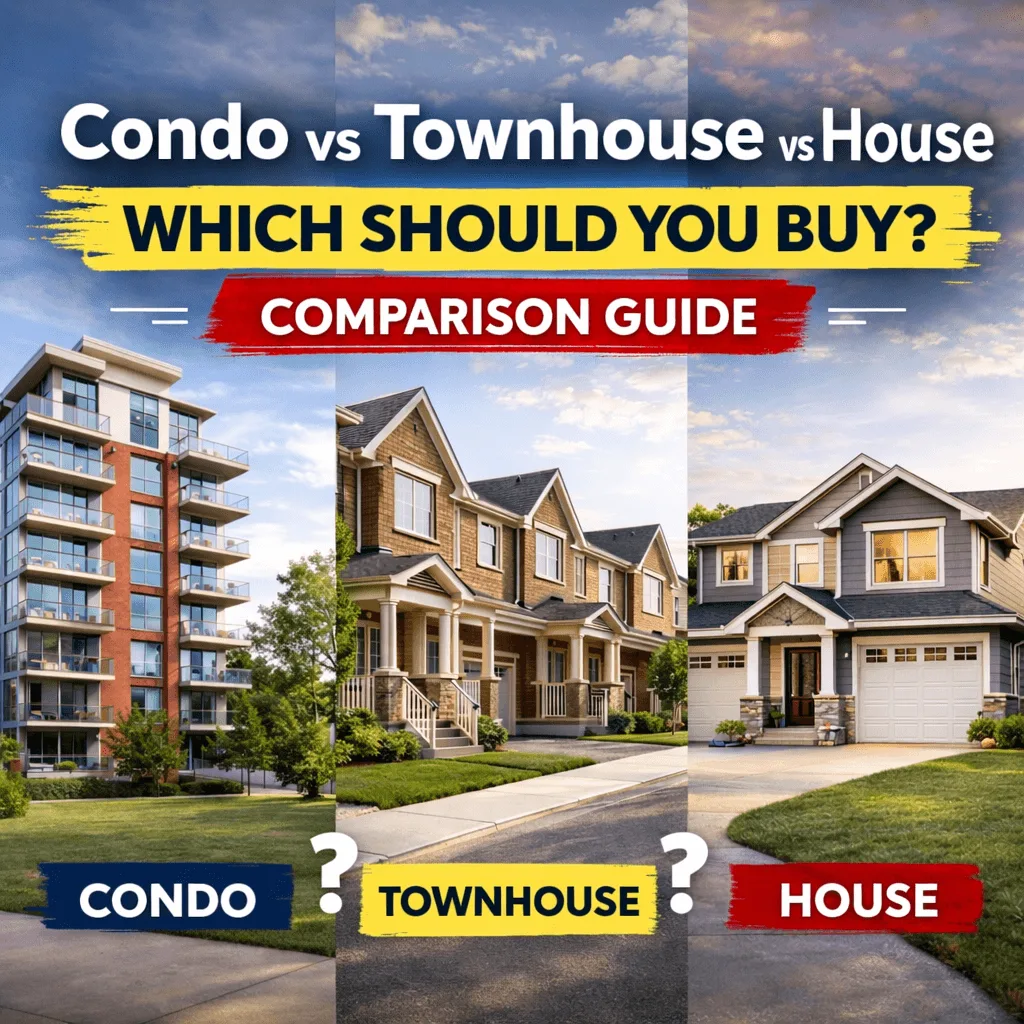
Closing Costs by Property Type
Different property types can slightly change closing expenses.
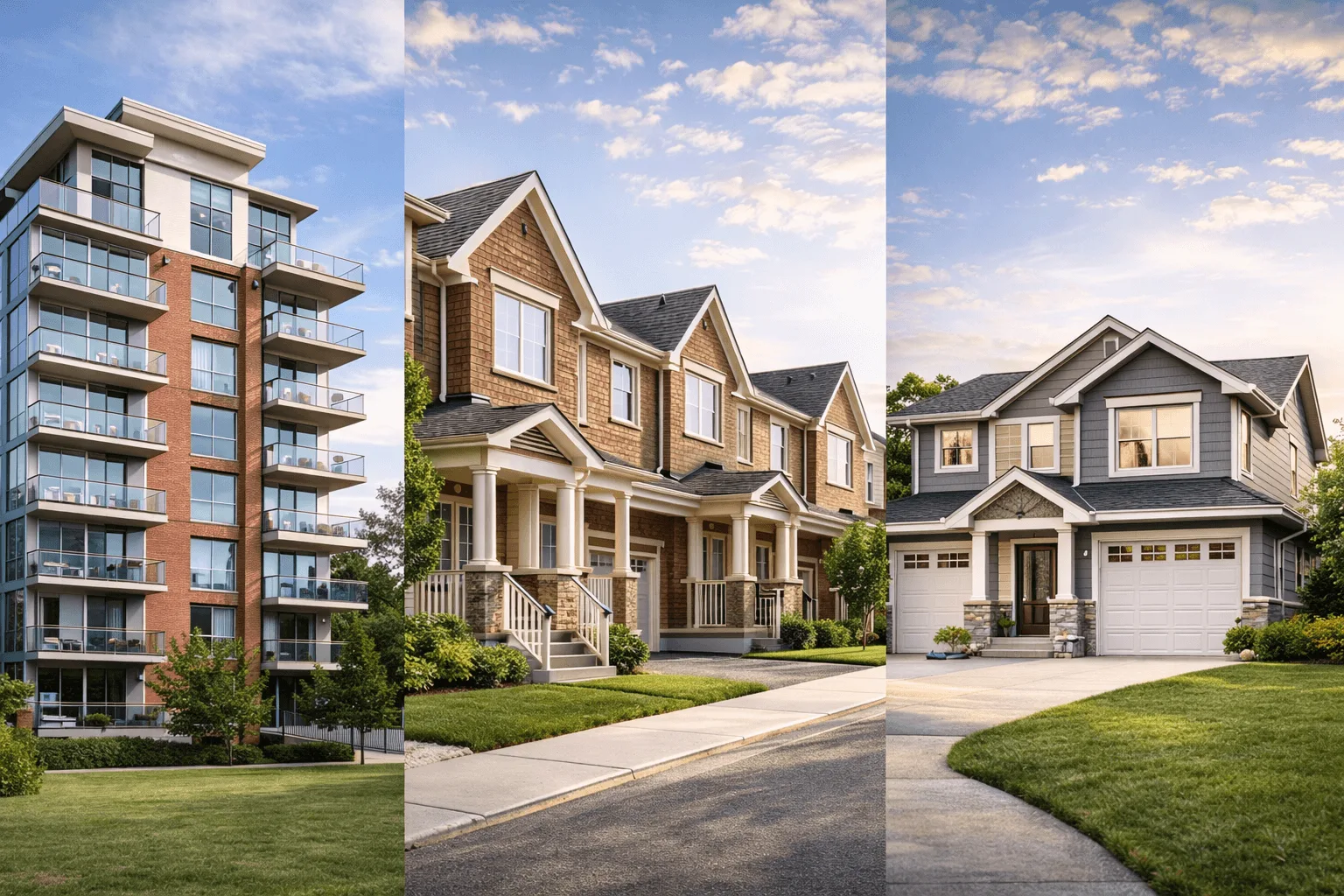
Condominiums
Condos sometimes include additional costs such as:
- Status certificate review
- Condo document review
- Condominium transfer fees
These may add $200–$600 to the closing process.
Townhouses
Townhomes generally follow similar closing structures to detached homes but may involve homeowner association documents or fees.
Detached Homes
Detached homes usually involve standard closing costs but may require additional inspections depending on property age.
Older homes may require specialized inspections for things like:
- sewer lines
- roofing
- structural integrity
Why Preparation Matters
The biggest mistake buyers make is underestimating the full cost of purchasing a property.
A buyer with $40,000 saved might assume they can buy a $400,000 home with a 10% down payment. But after adding closing costs and moving expenses, the real required savings may be closer to $50,000 or more.
Preparation prevents stress and gives buyers more flexibility when opportunities arise.
Real Estate Is Still One of the Most Powerful Investments
Despite closing costs and upfront expenses, real estate remains one of the most effective ways to build long-term wealth.
Consider this example:
A home purchased for $550,000 that appreciates at 4% annually could reach roughly $814,000 in 10 years.
Meanwhile, each mortgage payment gradually reduces the loan balance, building equity over time.
For many homeowners, property ownership becomes a major driver of financial stability and net worth.
Final Thoughts
Buying a home involves more than just the purchase price.
Legal fees, taxes, inspections, and financing costs are all part of the process. But when buyers understand these expenses ahead of time, the experience becomes far more manageable.
The key is preparation, professional guidance, and a clear understanding of what to expect.
With the right strategy, homeownership becomes far less intimidating and far more rewarding.
Thinking About Buying or Selling a Home?
If you're considering purchasing a home, planning a move, or simply wondering what your property might be worth today, speaking with a knowledgeable real estate professional can help clarify your next steps.
You can schedule a consultation or request a free home evaluation by visiting our contact page.