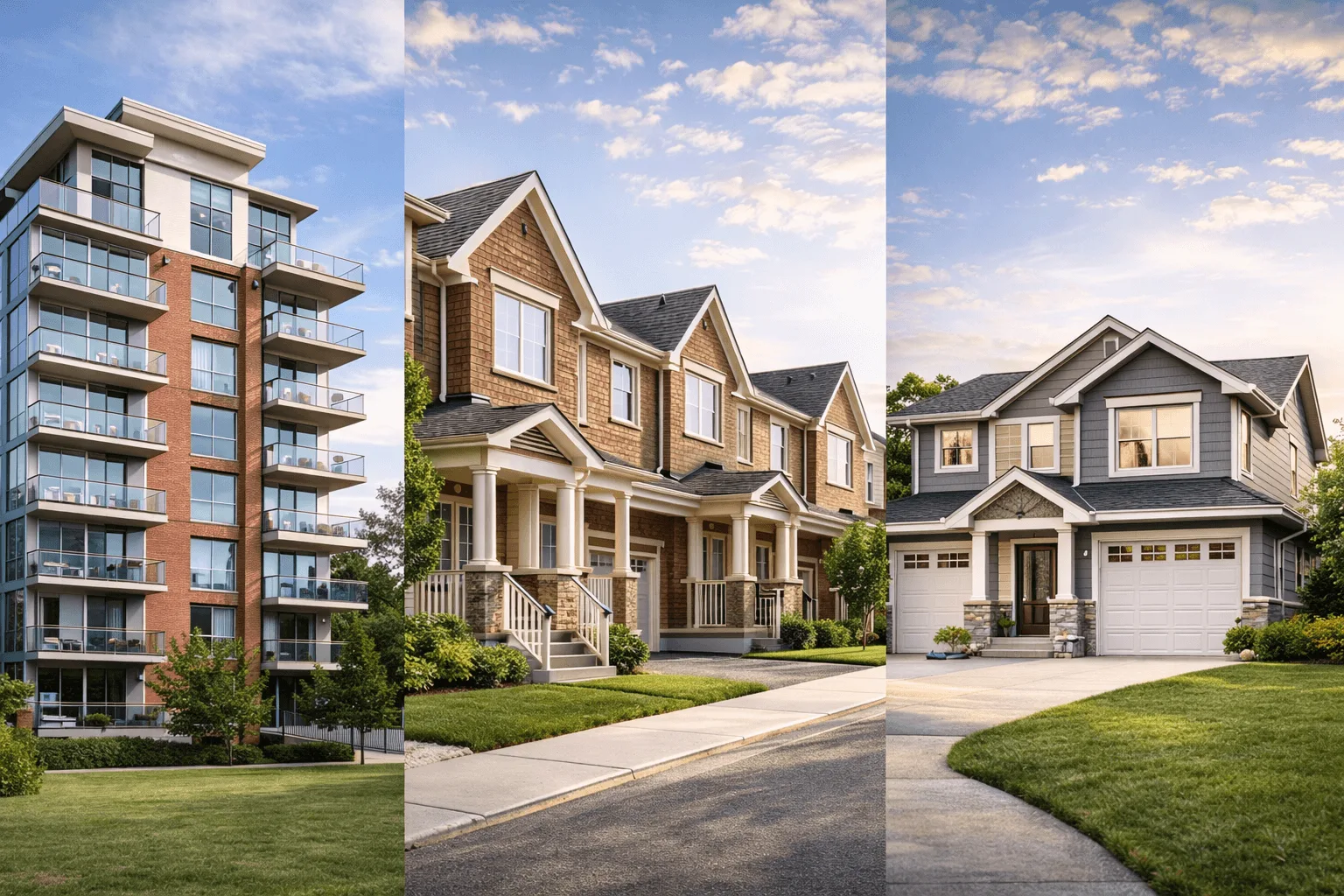
Buying a pre-construction home means purchasing a property before it is fully built. This could be a new condo, townhouse, or detached house that will be completed months or even years in the future.
Pre-construction homes have become popular because they allow buyers to secure today’s price for a property that will be delivered later. However, they also come with unique risks and timelines that buyers should understand before signing a contract.
How Pre-Construction Purchases Work
Unlike traditional home purchases, pre-construction homes typically involve a deposit structure spread over time.
Typical deposit schedule example:
| Payment | Amount |
|---|---|
| At signing | 5% |
| 90 days later | 5% |
| 180 days later | 5% |
| Final deposit | 5% |
Total deposit: 20%
For a $800,000 property, this means $160,000 deposited over time before the home is even completed.
Advantages of Pre-Construction Homes
Locking in Today’s Price
If the market increases during the construction period, buyers benefit from the price appreciation.
Example:
- Purchase price: $700,000
- Value at completion: $820,000
Potential built-in equity: $120,000
Brand New Property
Pre-construction homes often include:
• Modern designs
• Energy-efficient systems
• Builder warranties
• Lower maintenance early on
This can reduce repair costs in the first several years of ownership.
Flexible Deposit Timelines
Because deposits are paid over time, buyers can sometimes save money gradually rather than providing the full down payment upfront.
Risks Buyers Should Understand
Pre-construction purchases are not without risk.
Project Delays
Construction timelines can extend beyond the expected completion date.
A condo expected to finish in 2025 may not be ready until 2026 or later depending on permitting, labour shortages, or material delays.
Market Changes
If real estate prices fall before completion, the home may be worth less than the purchase price at closing.
This can create challenges when obtaining financing.
Additional Closing Costs
Pre-construction purchases often include additional closing adjustments such as:
• Development levies
• Tarion warranty fees
• Utility connection fees
These costs can add $5,000–$25,000 depending on the project.
Interim Occupancy (For Condos)
Condo buyers may experience a phase called interim occupancy.
During this period:
• You can move in
• The building is not officially registered yet
• Mortgage payments have not started
Instead, buyers pay occupancy fees, which can include estimated property taxes, maintenance fees, and interest on the remaining balance.
Is Pre-Construction a Good Investment?
Pre-construction can work well for buyers who:
• Plan long-term ownership
• Have stable finances
• Are comfortable with construction timelines
However, buyers looking for immediate rental income or quick resale opportunities may find traditional resale properties more predictable.
The Bottom Line
Pre-construction homes can offer excellent opportunities to purchase brand-new properties and potentially benefit from price appreciation. However, they require patience and careful financial planning.
If you’re considering a pre-construction property and want guidance on upcoming developments in the area, our team can help you explore the best opportunities by visiting our contact page.
Metadata
Meta Title
Pre-Construction Homes Explained: Pros, Risks, and Buyer Tips
Open Graph Title
What Buyers Should Know Before Purchasing a Pre-Construction Home
Open Graph Description
Thinking about buying a pre-construction property? Learn the benefits, risks, deposit structures, and timelines before making your decision.
Meta Keywords
pre construction homes Canada, buying new build homes, condo pre construction guide, new development real estate
Meta Description
Learn how pre-construction homes work, including deposits, risks, timelines, and potential investment benefits before buying a new build property.
Article 8
How to Prepare Financially Before Buying a Home
Buying a home is one of the largest financial decisions most people make. Preparing financially before entering the market can significantly improve your chances of approval and help you secure better mortgage terms.
Many buyers focus only on saving for a down payment, but lenders evaluate several financial factors before approving a mortgage.
Check Your Credit Score
Your credit score plays a major role in mortgage approval.
In Canada, most lenders prefer a credit score of 680 or higher, although some lenders may approve mortgages with scores around 620.
Higher credit scores often qualify for better mortgage rates, which can save thousands of dollars over time.
Example:
- Mortgage amount: $500,000
- Rate difference: 0.5%
Potential savings over 25 years: $40,000+
Reduce Existing Debt
Lenders calculate your debt-to-income ratio before approving financing.
Two key ratios are evaluated:
| Ratio | Recommended Maximum |
|---|---|
| Gross Debt Service (GDS) | 39% |
| Total Debt Service (TDS) | 44% |
These ratios include mortgage payments, property taxes, heating costs, and other debts such as car loans or credit cards.
Reducing debt before applying for a mortgage can significantly increase borrowing power.
Build Your Down Payment
The size of your down payment impacts both mortgage approval and monthly payments.
Example for a $650,000 home:
| Down Payment | Mortgage Amount |
|---|---|
| 5% ($32,500) | ~$617,500 |
| 20% ($130,000) | $520,000 |
Larger down payments reduce mortgage balances and may eliminate mortgage insurance costs.
Save for Closing Costs
Many buyers underestimate the cost of closing expenses.
Typical closing costs include:
• Land transfer taxes
• Legal fees
• Title insurance
• Home inspection
Closing costs usually range between 1.5% and 4% of the purchase price.
For a $650,000 home, buyers should budget $10,000–$25,000.
Get Pre-Approved
Mortgage pre-approval provides an estimate of how much you can borrow and helps you shop for homes within a realistic budget.
Pre-approval also allows buyers to lock in an interest rate for 90–120 days, protecting them if rates increase during the home search.
The Bottom Line
Financial preparation can make the home buying process smoother and more predictable. Improving credit, reducing debt, and building savings can significantly strengthen your purchasing power.
If you want guidance on preparing financially for a home purchase, our team can help you take the next steps by visiting our contact page.